
30 June 2026
Knockdown Rebuild Costs: Save Money & Plan Smart in 2026
Learn what drives knockdown and rebuild cost, how to plan scope, timeline, and risk, and ways to optimize your rebuild without surprises in 2026.
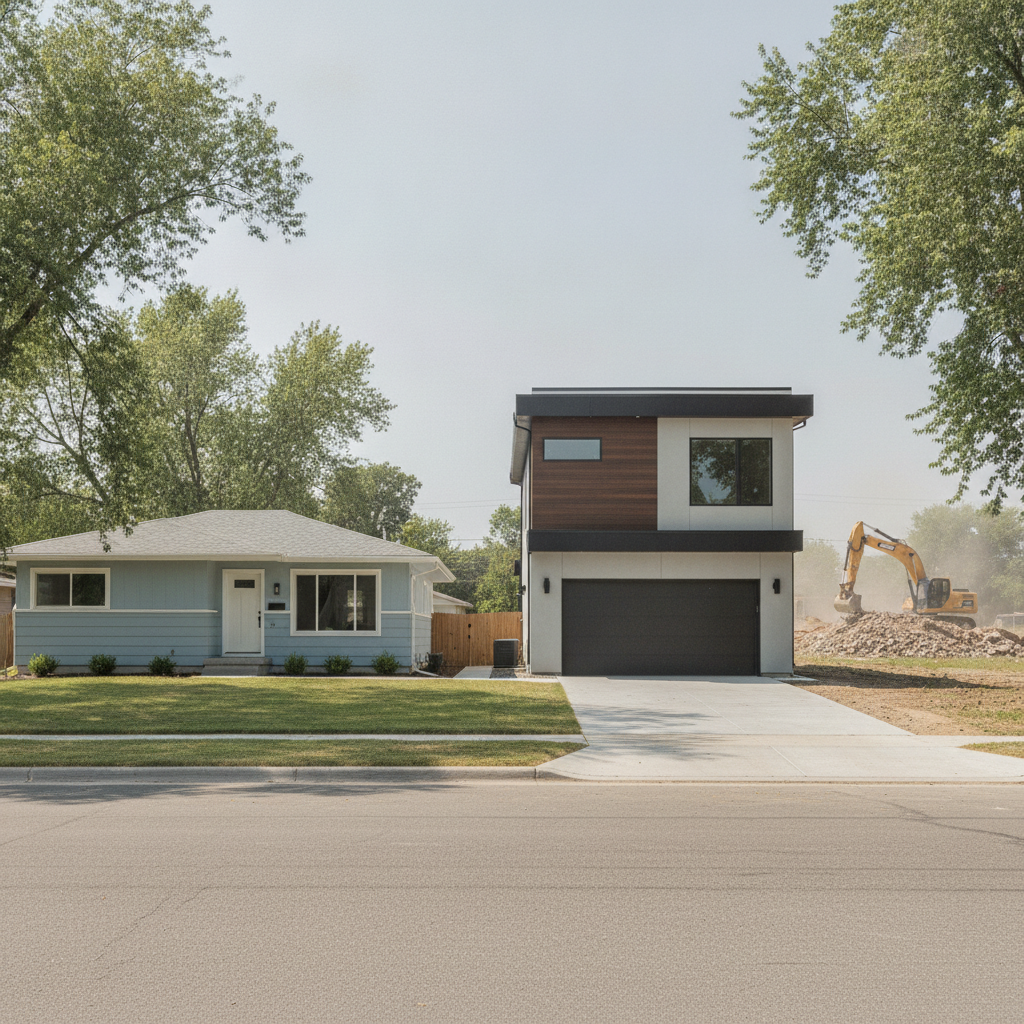
Knockdown and rebuild cost is the total investment to demolish an existing house and construct a new home on the same block. It’s shaped by site conditions, approvals, demolition scope, structural design, specifications, sequencing, and timeline. Understanding these levers helps you plan a realistic, value-focused rebuild without surprise overruns.
By King Style Homes • Last updated: 2026-06-30
Summary
This guide explains how knockdown-rebuild projects are scoped, the main cost drivers to watch, and practical ways to control risk, schedule, and selections. You’ll learn the end-to-end pathway—demolition through handover—and how to plan inclusions, approvals, and logistics for a smoother, better-value outcome.
If you’re weighing a full rebuild versus a renovation, this article gives you a clear, step-by-step framework to make decisions with confidence. We’ll use King Style Homes’ transparent, design-and-construct pathway to show what to expect at each stage.
What Is Knockdown and Rebuild Cost?
Knockdown and rebuild cost covers demolition, temporary works, new-home design and construction, approvals, utilities, site establishment, and finishes. The budget reflects scope, site complexity, structural choices, and specification level. Managing allowances and contingencies early prevents scope creep and schedule risk later.
At its core, this is a whole-of-project number. It’s not just the house shell; it includes planning, engineering, energy compliance, civil works, connections, external works, and a crafted interior finish. When clients ask us “What drives the number?”, we group it into seven buckets:
- Site conditions: access, slope, soil, trees, utilities, neighboring constraints.
- Approvals & compliance: planning pathway, engineering, inspections.
- Demolition & remediation: structure removal, hazardous material protocols, waste handling.
- Structural design: footprint, levels, spans, framing system.
- Specification: facade, windows, envelope, kitchens, baths, finishes.
- Sequencing & logistics: lead times, procurement, deliveries, on-site coordination.
- Program & risk: timeline buffers, weather allowances, contingency planning.
We’ll unpack each lever in detail, with practical examples based on King Style Homes’ end-to-end services—custom home builds, knockdown-rebuild duplex and multi-dwelling, project management with procurement, renovations and extensions, house-and-land options, and secondary dwellings.
Why Knockdown-Rebuild Matters in 2026
Rebuilding on your current block preserves location benefits while delivering a future-ready home. In 2026, supply chains, code updates, and energy standards reward early planning, streamlined approvals, and disciplined selections—often making a well-managed knockdown-rebuild more predictable than a complex, phased renovation.
Rebuilds let you reset the plan for how you live—daylight, zoning, storage, and outdoor connection—without the compromises of retrofitting around aging structure. They can also consolidate project risk into one continuous program. In practice, we see four recurring advantages:
- Clarity of scope: one contiguous build sequence instead of iterative renovation stages.
- Performance uplift: upgraded envelope, services, and layouts built to current standards.
- Design freedom: floor plans tailored to lifestyle, including multi-generational living.
- Program control: a single pathway from demolition to handover with defined milestones.
For clients considering duplex or multi-dwelling outcomes, knockdown-rebuild can also open development strategies—subject to planning pathways—by rethinking the site plan to create two compliant residences or a primary home plus a secondary dwelling.
How the Knockdown-Rebuild Process Works
A reliable pathway runs 8–10 stages: consultation, site review, concept and design, estimate with documented inclusions, approvals, selections, demolition and site establishment, construction with inspections, and handover. Each gate reduces uncertainty and aligns scope, timeline, and quality.
King Style Homes operates a transparent, design-and-construct model. Here’s how we structure it so you always know what happens next:
- Consultation: clarify goals, constraints, and desired outcomes.
- Site review: assess access, slope, services, vegetation, and neighboring context.
- Concept & design: translate lifestyle into plans, facades, and interior intent.
- Estimate & proposal: document inclusions, allowances, and specifications.
- Approvals pathway: coordinate planning, engineering, and compliance documentation.
- Selections: finalize fixtures, finishes, and performance features.
- Demolition & temporary works: secure the site, remove structures, prepare services.
- Construction & inspections: foundations to finishes with staged quality checks.
- Handover: quality assurance, documentation, and move-in preparation.
In our experience, clarity at the estimate stage saves downstream rework. Writing out standard and signature inclusions, then ring-fencing allowances for items chosen later, is one of the simplest ways to control knockdown and rebuild cost as selections evolve.
Major Cost Drivers and a Smart Budget Framework
Control your knockdown and rebuild cost by managing seven levers: site complexity, approvals, demolition scope, structural design, specification level, logistics, and schedule risk. Define allowances early, add contingency, and lock critical selections before procurement to prevent ripple effects.
Budgeting isn’t just math—it’s choreography. Costs flex as information improves. We recommend a living budget that maps scope by category and separates design decisions (e.g., plan size, envelope, windows) from market drivers (e.g., lead times, supply constraints). Practical tactics include:
- Right-size the footprint: square footage affects foundations, framing, cladding, roofing, and services.
- Choose efficient spans: structural grids and roof forms can minimize heavy elements.
- Specify by priority: invest where you live daily (kitchen, primary suite, envelope performance).
- Stage selections logically: lock long-lead items first to protect schedule.
- Set realistic allowances: tile, stone, appliances, and lighting vary widely—document assumptions.
- Protect contingency: keep a buffer for latent conditions discovered during demolition.
Here’s a simple, no-pricing framework to structure your thinking:
| Category | Scope Examples | Risk Controls |
|---|---|---|
| Site & Civil | Access, earthworks, drainage, utilities | Survey early; confirm service points; plan erosion control |
| Approvals | Planning, engineering, inspections | Clarify pathway; sequence documents; book inspections in advance |
| Demolition | Structure removal, waste, remediation | Isolate utilities; segregate materials; stage truck access |
| Structure | Foundations, framing, roofing | Optimize spans; coordinate MEP penetrations early |
| Envelope | Facade, windows, insulation, air/water control | Target performance goals; verify details at openings |
| Interiors | Kitchens, baths, flooring, paint | Confirm elevations; align allowances with final selections |
| External Works | Driveways, patios, fencing, landscaping | Sequence with utility reinstatement; protect new surfaces |
Documenting assumptions for each category makes your knockdown and rebuild cost traceable. If something changes, you can see where and why.
Types and Methods: Single, Duplex, and Multi-Dwelling
Knockdown-rebuild paths include a single-family replacement, duplex redevelopment, or multi-dwelling configuration. Each adds planning, structure, services, and sequencing complexity. Align your end goal—space, flexibility, return potential—with the method that best fits your site and approvals pathway.
King Style Homes delivers three common configurations, each with distinct decision points:
- Single-family replacement: reset plan, improve envelope, re-balance daylight and storage.
- Duplex or paired homes: coordinated plans sharing services logic and mirrored structure.
- Primary + secondary dwelling: main residence plus a smaller unit for family or rental.
With duplex and multi-dwelling, think in pairs: matching spans, symmetrical services, consistent window packages. Procurement efficiencies emerge when you standardize components across both residences. This is where a design-and-construct builder with project management and procurement capability can simplify logistics and protect quality.
Demolition, Remediation, and Site Setup
Successful demolition starts with utilities isolation, a staging plan for trucks, and a clear waste-segregation approach. Safe removal reveals latent conditions, informs foundation strategy, and sets the tone for a clean, efficient construction start.
Demolition is brief compared to the build, but its quality affects the entire project. A clean pad reduces surprises when you establish levels and set out footing lines. We emphasize three essentials:
- Make it safe: disconnect gas, power, water; secure fencing; maintain clear exclusion zones.
- Work methodically: sequence removal, manage dust suppression, segregate metals, masonry, and timber.
- Leave it build-ready: confirm benchmarks, drainage paths, and temporary services locations.

Waste handling policies and best practices vary by jurisdiction and contractor. Industry overviews discuss sorting, recycling rates, and beneficial reuse for construction and demolition materials. For a general perspective on remodeling logistics, see this kitchen renovation planning guide that touches on scheduling, vendors, and sequencing concepts relevant to any project.
Structure, Envelope, and Services
Frame, roof, and envelope decisions shape durability, comfort, and schedule. Coordinating structure with mechanical, electrical, and plumbing (MEP) early avoids redesign and protects allowances. Right-sized spans, efficient layouts, and coherent window packages reduce complexity without compromising quality.
We align framing grids with room planning and MEP routes so penetrations are deliberate, not improvised. Three practical examples:
- Stair and shaft coordination: reserve service corridors to prevent rework later.
- Roof form simplification: limit planes and valleys to streamline waterproofing and framing time.
- Window kit rationalization: standardize sizes to improve lead times and cost predictability.
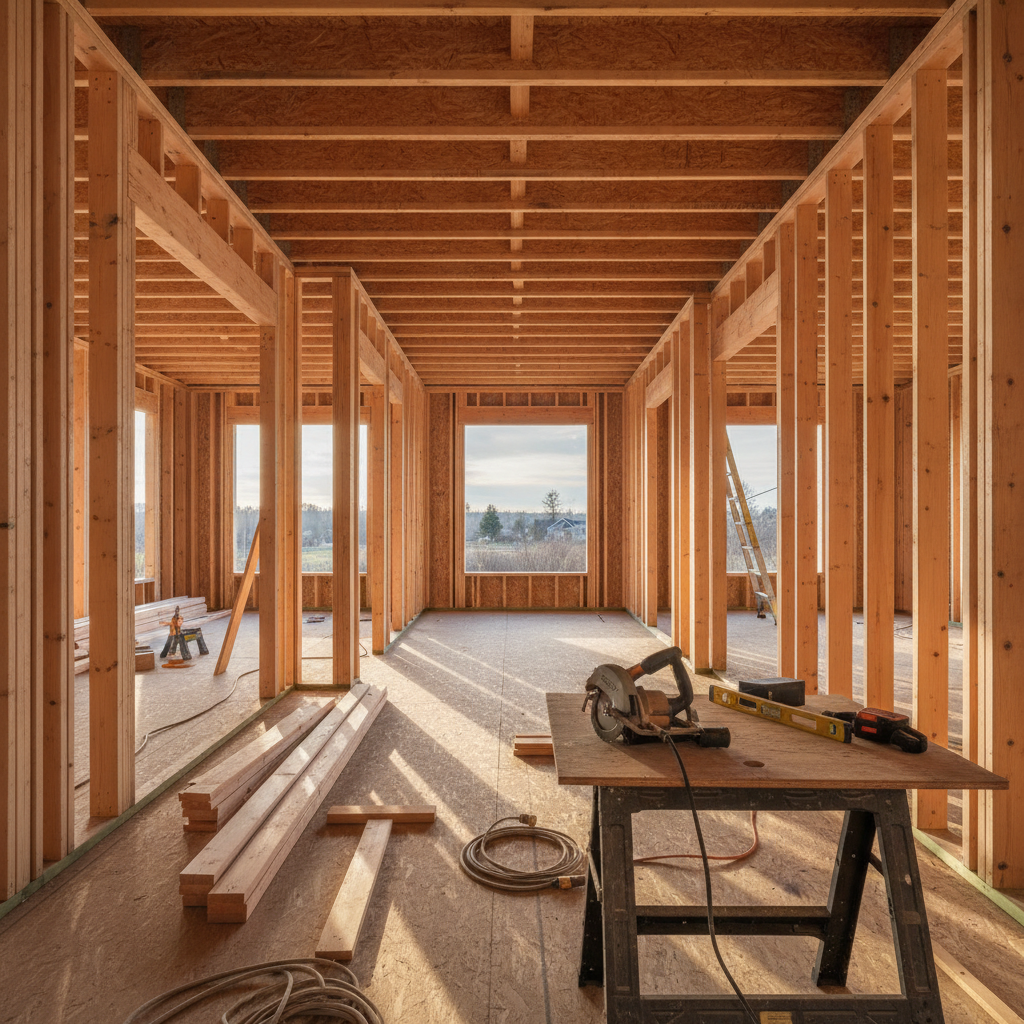
A coherent envelope strategy—air and water control layers, insulation, and glazing—affects comfort every day. Deciding early lets you lock long-lead components, a proven way to stabilize the program and your knockdown and rebuild cost trajectory.
Selections, Inclusions, and Interior Detailing
Write down what’s standard, what’s signature, and what’s an allowance. Then confirm elevations and joinery details before ordering. Clear documentation prevents gaps between expectation and reality and keeps selections aligned with the design vision and budget guardrails.
Selections shape both daily experience and schedule. We recommend:
- Room-by-room elevations: visual clarity reduces back-and-forth and change orders.
- Appliance-first kitchens: size cabinetry around known models to avoid surprises.
- Lighting layers: combine ambient, task, and accent lighting for flexibility.
- Durable surfaces: balance look, maintenance, and longevity—especially in high-traffic zones.
If you’re comparing remodel versus rebuild pointers, this residential construction overview outlines general homeowner considerations that echo many of the same planning principles we use in full rebuilds.
Program, Logistics, and Communication
Great projects communicate early and often. Lock long-lead items, book inspections ahead, stage deliveries, and keep a rolling three-week look-ahead. Clear updates reduce friction, protect the schedule, and keep allowances in sync with reality.
King Style Homes’ project management approach emphasizes proactive coordination across suppliers and trades. With overseas procurement capability, we can align sourcing, logistics, and installation so selected items arrive when needed—not months early or a week late. Practical moves include:
- Look-ahead schedules: share a 3–4 week rolling plan with milestone checks.
- Delivery windows: set realistic site windows that match crane or forklift availability.
- Change governance: document impacts before approval to protect program and allowances.
Clear, frequent construction updates are a hallmark of turnkey delivery and a proven guardrail for knockdown and rebuild cost control.
Knockdown-Rebuild vs. Renovation vs. New Land Build
Choose a knockdown-rebuild when structure limits design freedom or performance goals, renovation when the shell is sound and layout tweaks suffice, and new land builds when site goals change. Compare complexity, approvals, timeline, and disruption before you decide.
| Path | When It Fits | Complexity | Approvals & Inspections | Occupancy Disruption |
|---|---|---|---|---|
| Knockdown-Rebuild | Aging structure; major plan re-think; performance upgrade | Medium–High | Whole-of-project package | Move out during program |
| Renovation | Sound structure; targeted updates; staged work | Low–Medium | Per-scope approvals | Possible staged living |
| New Land Build | Relocation; different site goals | Medium | New build approvals | Off-site until completion |
Still on the fence? This industry example from a knockdown-rebuild provider shows common phases and homeowner checkpoints during a complete teardown-to-build journey: knockdown-rebuild overview.
Tools, Templates, and Resources
Use a scope map, inclusions schedule, allowance tracker, and a three-week look-ahead. These simple tools keep decisions visible, protect contingency, and align expectations with reality throughout the program.
Our most effective planning artifacts include:
- Scope map: one-page view of categories—site, approvals, demolition, structure, envelope, interiors, external works.
- Inclusions schedule: clearly lists standard and signature inclusions room-by-room.
- Allowance tracker: monitors selections against assumptions as you choose fixtures and finishes.
- Decision log: records option comparisons and rationale to prevent circular debates.
- Look-ahead calendar: sequences inspections, deliveries, and trade windows.
While focused on rebuilds, these tools translate to renovations, extensions, and secondary dwellings. They’re simple, visual, and reduce friction between design intent and day-to-day site actions.
Case Studies and Practical Scenarios
Real projects show how planning levers work. Below, three concise scenarios illustrate footprint control, duplex standardization, and selections governance—each improving predictability without sacrificing design intent or finish quality.
Scenario 1: Narrow-Lot Family Home
- Challenge: A tight block with limited access and neighboring constraints.
- Approach: Compact footprint, stacked wet areas, simplified roof, standardized window kit.
- Outcome: Clear deliveries plan and rationalized spans reduce complexity and keep allowances aligned.
Scenario 2: Duplex for Flexibility
- Challenge: Two coordinated homes with mirrored plans and services.
- Approach: Standardize framing grids, windows, and joinery modules across both dwellings.
- Outcome: Procurement efficiencies and synchronized inspections improve schedule predictability.
Scenario 3: Primary + Secondary Dwelling
- Challenge: Main residence plus a functional secondary unit for extended family or rental.
- Approach: Shared services strategy, daylight zoning, private entries, and compact kitchens.
- Outcome: Purpose-built layouts reduce later modifications and protect contingency.
These scenarios mirror King Style Homes’ core services: custom home builds, duplex and multi-dwelling projects, and turnkey delivery with detailed selections support.
Thinking about a knockdown-rebuild? We’ll map your scope, align inclusions with your vision, and outline a clear approvals and construction pathway—before you commit to the build.
Request a design and construct consultation to see your options clearly.
Best Practices to Control Risk and Elevate Quality
Decide early, document precisely, and communicate often. Right-size the plan, simplify structure, lock long-lead items, and protect contingency. These habits keep quality high, decisions timely, and your knockdown and rebuild cost trajectory stable.
- Define non-negotiables: must-have rooms, performance goals, and style anchors.
- Reduce structural gymnastics: fewer transfers and roof planes = simpler builds.
- Batch decisions: order selections in waves—exterior, kitchens/baths, then lighting/accessories.
- Approve with drawings: use elevations and details to lock expectations.
- Inspect proactively: confirm framing, waterproofing, and services rough-in before cover-up.
- Update allowances monthly: keep a live view of selections versus assumptions.
Small, disciplined habits create momentum. Over hundreds of site days, those habits protect schedule, workmanship, and the overall experience.
Frequently Asked Questions
These concise answers cover the questions homeowners ask most about knockdown-rebuilds—from timelines and approvals to staying on-site and managing selections. Each response is direct, practical, and focused on reducing uncertainty.
How long does a knockdown-rebuild usually take?
Timelines vary by scope and approvals. Demolition is typically quick, followed by construction phases from foundations to finishes with staged inspections. A defined program, locked selections, and clear communication help keep the sequence steady from site setup to handover.
Do I need to move out during the project?
Yes. A knockdown-rebuild requires complete site control for demolition and new construction. Moving out streamlines access, sequencing, and safety, allowing trades to work efficiently and inspections to proceed without interruption.
What approvals are usually involved?
Expect a planning pathway, engineering certifications, and staged inspections during construction. Your builder coordinates documentation, sequencing, and bookings so reviews happen when the work is ready and prerequisites are in place.
How can I keep selections on track?
Create an inclusions schedule, set realistic allowances, and approve room-by-room elevations before ordering. Lock long-lead items first. A monthly allowance review keeps choices aligned with assumptions and avoids late-stage ripples.
When does a duplex make sense?
Consider a duplex when your site and planning pathway allow two coordinated homes. Standardizing framing grids, window kits, and joinery across both dwellings improves procurement efficiency and schedule predictability.
Key Takeaways
Think levers, not line items: scope clarity, structural simplicity, timely selections, and proactive management. These habits stabilize timelines, protect allowances, and deliver a crafted finish that fits how you live today and tomorrow.
- Manage seven cost levers instead of chasing one “magic” number.
- Document inclusions and allowances early; revisit monthly.
- Lock long-lead items to protect the schedule.
- Standardize where possible—especially in duplex projects.
- Keep communication frequent, visual, and decision-oriented.
Conclusion and Next Steps
A successful knockdown-rebuild is planned, documented, and communicated. When scope, selections, and logistics move in sync, your risk drops and the result improves. Start with a clear brief, then use the tools in this guide to make confident decisions.
King Style Homes brings a transparent, eight-step pathway, design-led thinking, and project management with procurement to help you rebuild with confidence. If you’re ready to explore what’s possible on your block, request a design-and-construct consultation and we’ll map your options together.